1/4 teaspoon baking soda 1.5 g. Also called bicarbonate of soda
1/2 teaspoon fine table salt 3 g
4 tablespoons unsalted butter 60 g. 1/2 US stick. Refrigerator cold at About 38–40°F (3–4°C), cut into 1/4-inch (6 mm) cubes
3/4 cup amasi (maas), South African cultured milk. 180 ml. Refrigerator cold
1 to 2 teaspoons additional cold amasi. 5–10 ml (optional)
1 tablespoon whole milk or amasi 15 ml. Refrigerator cold. Reserved for brushing the flat tops before baking
Instructions
Position an oven rack in the center and set the oven to 400°F (200°C) using conventional bake mode with the convection fan off. Allow the oven to preheat fully for at least 15 minutes before baking. Line one large rimmed baking sheet with parchment paper or a clean silicone baking mat. Keep the butter and amasi refrigerated until needed.
In a large mixing bowl, whisk together the 2 cups (250 g) all purpose flour, 1/3 cup (65 g) granulated sugar, 2 teaspoons (8 g) baking powder, 1/4 teaspoon (1.5 g) baking soda, and 1/2 teaspoon (3 g) fine table salt until evenly distributed. Keep the additional tablespoon of flour separate for shaping.
Scatter the 4 tablespoons (60 g) of cold, cubed butter over the dry mixture. Using a pastry blender or clean, dry fingertips, work the butter into the flour until it resembles coarse breadcrumbs with visible pea sized, flattened butter flakes. Work briskly and stop before the mixture becomes a smooth paste.
Gently stir the cold amasi before measuring, then pour 3/4 cup (180 ml) into the flour butter mixture. Fold gently with a wooden spoon or firm silicone spatula until the dough forms a shaggy, soft, slightly sticky mass with no dry powdery streaks at the bottom. If stubborn dry flour remains, add 1 to 2 teaspoons of additional cold amasi, only as needed. Do not knead the dough in the bowl or mix until smooth.
Lightly dust the work surface with part of the reserved tablespoon of flour. Turn out the shaggy dough and use lightly floured hands to pat and fold it over itself 2 to 3 times, stopping as soon as it holds together. Gently pat it into an even round slab 1 inch (2.5 cm) thick. Do not use bread style kneading or press the dough aggressively.
Dip the edge of a 2 1/2-inch (6.5 cm) round cutter into the remaining reserved flour. Press straight down through the dough and lift the cutter vertically without twisting. Repeat, flouring the cutter as needed. Gently gather the scraps once, pat them back to 1 inch (2.5 cm) thick, and cut the remaining rounds to make 8 scones.
Transfer all 8 scones to the prepared baking sheet, leaving 1 inch (2.5 cm) of open space between them. Lightly brush only their flat tops with the 1 tablespoon (15 ml) of cold whole milk or amasi. Prevent the liquid from dripping down the cut sides, which could restrict their rise.
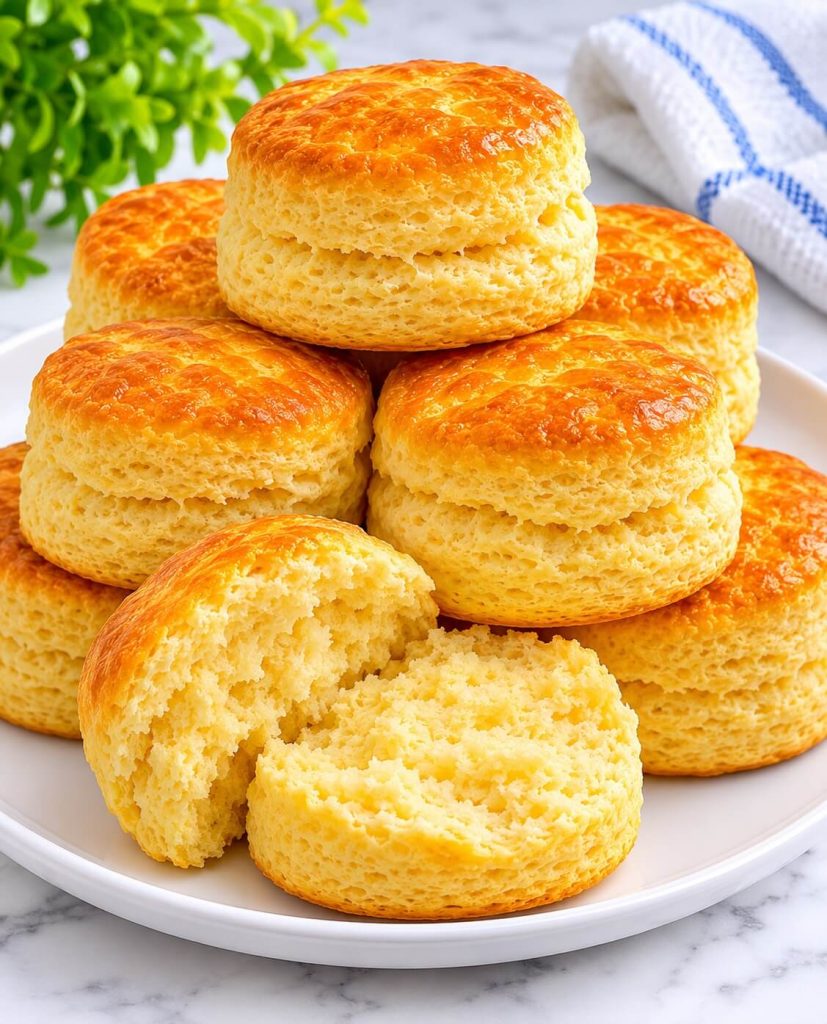
Bake immediately on the center rack of the fully preheated conventional oven at 400°F (200°C) for 15 minutes. Begin checking at 13 minutes. The scones should rise noticeably upward with tall, mostly straight sides and lightly golden, matte to satin tops. Check that the undersides are set and pale to medium golden, the centers spring back lightly when pressed, and a toothpick inserted into the thickest scone comes out without wet or gummy batter. Do not wait for a dark, glossy crust.
Remove the baking sheet from the oven and immediately transfer the baked scones to a wire cooling rack. Allow them to cool for 10 minutes before splitting and serving warm. Moving them off the hot sheet prevents trapped steam from softening their undersides.
Notes
Yield: 8 scones cut from a 1-inch thick dough slab with a 2½-inch round cutter.
Timing: 10 minutes preparation, 0 minutes resting, 15 minutes baking, and 10 minutes cooling, for 35 minutes total.
The dough should remain shaggy, soft, and slightly sticky. Do not knead it until smooth.
Use cold ingredients and bake immediately after shaping.
For a softer pull apart finish, arrange the rounds with their edges barely touching instead of spacing them 1 inch apart.
Amasi substitution: Use 3/4 cup (180 ml) cold cultured buttermilk. Begin with approximately 2/3 cup and add the remaining liquid gradually until the correct dough consistency is reached.
Another amasi substitution is 3/4 cup of a thick but pourable mixture of whole milk Greek yogurt and cold milk. The finished scones may be tangier and denser.
Butter substitution: Use 4 tablespoons (60 g) firm chilled block baking margarine instead of butter. Do not use soft tub spread.
South African flour substitution: Use 2 cups (250 g) unsalted South African self raising flour instead of the all purpose flour and baking powder. Keep the baking soda and salt.
American flour substitution: Use 2 cups (250 g) pre salted American self rising flour instead of the all purpose flour, baking powder, and added salt. Keep the baking soda.
Optional vanilla finish: Add 1 teaspoon vanilla extract to the cold amasi and sprinkle 1 tablespoon coarse or demerara sugar over the brushed tops.
Optional sweet additions: Add up to 1/3 cup chocolate chips or dried cranberries, with 1 teaspoon orange zest if desired, to the flour and butter mixture before adding amasi.
Optional savory version: Reduce the sugar to 1 tablespoon (12 g) and add 1/2 cup (55 g) finely shredded sharp cheddar and 2 tablespoons finely snipped fresh chives before adding amasi.
Allergens: Wheat and milk.
Egg free scones may have paler, less glossy tops than egg washed scones. Use the center and underside doneness checks rather than waiting for deep browning.