Every home baker starts somewhere. For most people that starting point is a recipe that did not work, a loaf that did not rise, a dough that stuck to everything, a cake that came out dense when it should have been light. And without understanding why it went wrong, the next attempt produces the same result.

Baking is not difficult. But it is precise in ways that cooking is not. A soup that needs more salt is fixed in seconds. A bread dough that was made with water that was too hot cannot be rescued, the yeast is dead and the loaf will not rise no matter how long you wait. Understanding why these things happen is the difference between a baker who gets consistent results and one who keeps repeating the same mistakes.
This guide covers the foundations that every home baker needs, the techniques, the science, the equipment, and the vocabulary that makes every recipe make sense. Every article linked here has been researched and verified before publication. Whether you are making your very first loaf of bread or you have been baking for years and want to understand the why behind the what, this is the guide that will make every other recipe on this site easier to follow.
What This Guide Covers
Baking how-to and FAQ content covers the questions every home baker asks, the ones that recipes assume you already know the answer to. This guide organises every article into four main groups:
- How to make bread at home, the most asked question in home baking, and the one with the most variables that beginners need to understand before they start
- How to make cake, technique guides that explain why cake recipes work the way they do, and what to do when they do not
- Puff pastry dough, the most technically demanding pastry technique explained in plain language
- Pie crust, the most searched pastry question, and one that has a simpler answer than most beginners expect
By the end of this guide you will understand the principles behind every baking recipe, not just how to follow the steps, but why each step exists and what happens when something goes wrong.
The Language of Baking, What Every Recipe Assumes You Know
Before we get into specific techniques, there are a handful of terms that appear in almost every baking recipe and that most beginners either misunderstand or skip over entirely. Understanding these terms makes every recipe you ever read easier to follow.
Proof means to allow yeasted dough to rise. First proof is the initial rise after mixing, typically until doubled in size. Second proof is the rise after shaping, shorter, and equally important. Skipping or rushing either proof produces dense, heavy baked goods.
Fold means to combine ingredients gently using a wide spatula in a cutting and turning motion. It is used when you want to incorporate something, whipped cream, beaten egg whites, flour, without deflating the air that has been built into the mixture. Stirring vigorously where folding is specified will collapse the air and produce a flat, dense result.
Blind bake means to bake a pastry shell without its filling, lined with parchment and weighted down with dried beans or ceramic baking weights. This sets the pastry before the filling goes in, preventing a soggy base. It is used in tarts, quiches, and any recipe where the filling cooks faster than the pastry.
Crumb refers to the interior texture of a baked good, the network of holes and structure inside the bread or cake. An open crumb has large, irregular holes, characteristic of sourdough and artisan breads. A tight crumb has small, even holes, characteristic of sandwich bread and most cake.
Lamination means folding butter repeatedly into dough to create distinct layers. It is the technique behind croissants, puff pastry, and Danish pastry. Each fold multiplies the layers, after six folds you have 729 distinct layers of butter and dough that separate in the oven to create flakiness.
Bloom means to activate yeast or gelatin in warm liquid before using it. For yeast: dissolve in warm water, 38 to 40°C (100 to 105°F), with a pinch of sugar and wait 10 minutes until foamy. For gelatin: sprinkle over cold water and let it absorb for 5 minutes before heating. Both must be bloomed correctly or they will not function in the recipe.
How to Make Bread at Home, The Foundation of All Baking
How to make fluffy condensed milk bread at home is the guide that introduces the core bread-making technique, and condensed milk bread is the ideal starting recipe because its enriched dough is more forgiving than a lean dough while still teaching every fundamental skill.
Bread making has a reputation for being complicated. The reality is that bread requires attention at specific moments and patience between them. The actual hands-on time for most bread recipes is under 20 minutes, the rest is waiting for fermentation and proofing to do their work.
The Four Stages of Every Bread Recipe
Every bread recipe, from the simplest 4-ingredient loaf to the most complex sourdough, passes through the same four stages. Understanding what happens at each stage makes the entire process predictable.
Stage 1, Mixing. Flour, water, yeast, and salt are combined into a shaggy dough. At this stage the gluten network is just beginning to form. The dough looks rough and feels sticky. This is correct, do not add more flour.
Stage 2, Kneading. Working the dough develops the gluten network, the protein structure that gives bread its chew and its ability to trap gas bubbles. Knead by pushing the dough away from you with the heel of your hand, folding it back, turning 90°, and repeating. After 8 to 10 minutes the dough should feel smooth, elastic, and slightly tacky, not sticky. The windowpane test confirms it is ready: stretch a small piece between your fingers, if it stretches thin enough to see light through without tearing, the gluten is fully developed.

Stage 3, First proof. The dough rests covered in a warm place until doubled in size, typically 1 to 2 hours depending on room temperature and yeast activity. During this stage the yeast consumes sugars in the flour and produces carbon dioxide, which inflates the gluten network. This is where flavor develops, a longer, slower proof at a cooler temperature produces more complex flavor than a fast proof in a warm oven.
Stage 4, Shaping and second proof. The dough is shaped, placed in its tin or on its tray, and proofed again, typically 45 minutes to 1 hour, before baking. This final proof allows the shaped dough to relax and expand one more time before the heat of the oven sets the structure permanently.
Why Bread Dough Temperature Matters
The temperature of your ingredients affects every stage of bread making. Here is what actually happens at each temperature point:
Water above 43°C (110°F): Kills the yeast instantly. The dough will look and feel normal but will produce a dense, flat loaf that no amount of extra time will rescue.
Water at 38 to 40°C (100 to 105°F): The ideal range. Warm enough to activate the yeast quickly, cool enough not to damage it. Should feel comfortably warm on your wrist, like a warm bath, not hot.

Water at room temperature, 20 to 22°C (68 to 72°F): Activates the yeast slowly. Produces a longer proof time but a more complex flavor. Ideal for overnight cold proofing in the refrigerator.
Water below 10°C (50°F): Slows yeast activity dramatically. Cold proofing in the refrigerator uses this principle intentionally, the yeast works very slowly overnight, developing flavor without over-fermenting.
Bread How-To Articles
- How to make fluffy condensed milk bread at home, the master bread guide, start here if you have never made bread before
- How to make 20-minute homemade bread, a no-yeast method using baking powder for same-day results
- How to make fluffy donut bread in under an hour, an enriched dough method faster than most yeasted recipes
- How to make Chinese fried breadsticks, youtiao, a deep-fried bread technique completely different from oven-baked methods
- Cheesecake Factory bread, everything you need to know, a breakdown of the techniques behind the famous restaurant bread
- Oatmeal bread, pure healthy breakfast energy, a whole grain bread guide using oats as the primary ingredient
- One dough for everything, the crazy dough recipe, a single master dough that works for bread, rolls, pizza, and more
How to Make Cake, Technique Before Recipe
How to make a fluffy blender cake demonstrates one of the most useful principles in cake baking, that technique matters more than equipment. A blender cake uses the machine to do the aeration work that creaming does in a traditional butter cake. Understanding why this works makes both methods clearer.
Cake baking is built on three fundamental techniques. Every cake recipe uses one of them, or a combination of two.
The Three Cake Techniques
The creaming method is the most common technique in home baking. Butter and sugar are beaten together until pale and fluffy, 4 to 5 minutes with an electric mixer, 8 to 10 minutes by hand. This step is not just mixing, it is aerating. The sharp edges of the sugar crystals cut into the butter and create thousands of tiny air pockets. Those pockets expand in the heat of the oven and give the cake its rise and its light crumb. Used in: butter cakes, pound cakes, most cupcakes.
The whisking method uses beaten eggs as the primary leavening. No butter is creamed, eggs and sugar are whisked together until tripled in volume and pale in color, then flour is folded in gently. The air beaten into the eggs does all the lifting work. The result is a lighter, less rich crumb than a creamed cake. Used in: sponge cakes, Swiss rolls, chiffon cakes.
The muffin method mixes dry and wet ingredients separately then combines them briefly. No creaming, no whisking, the goal is minimum mixing to keep gluten development low. This produces a tender, moist crumb that is slightly denser than a creamed cake. Used in: muffins, quick breads, some coffee cakes.

Why Oven Temperature Is the Most Common Cause of Cake Failure
Most home ovens are calibrated incorrectly. An oven that reads 180°C (350°F) may actually be running at 195°C (385°F) or 165°C (330°F). Neither extreme produces good cakes consistently.
An oven that runs hot sets the outside of the cake before the center has finished rising, producing a domed, cracked top and a dense center. An oven that runs cool allows the batter to spread before the structure sets, producing a flat cake that never achieves proper rise.
An oven thermometer costs very little and solves this problem permanently. Hang it from the middle rack, preheat for 20 minutes, and read the actual temperature. Adjust your dial accordingly and every future bake becomes more predictable.

Cake How-To Articles
- How to make a fluffy blender cake, a technique guide for cake without an electric mixer
- How to make apple cocoa cake without flour, a flourless cake technique using apple and cocoa as the structural base
- Create perfect homemade pancakes every time, the technique behind consistently fluffy pancakes explained step by step
Puff Pastry, The Most Rewarding Advanced Technique
Quick blitz puff pastry dough is the entry point for laminated pastry, and the blitz method makes it genuinely achievable for home bakers without the full two-day commitment of classical puff pastry.
Classical puff pastry uses a technique called détrempe, a lean dough wrapped around a butter block, then folded and rested repeatedly over two days to create 729 layers. The result is extraordinary. It is also genuinely demanding and not the right starting point for most home bakers.
The blitz method, also called rough puff pastry, produces a very similar result in a fraction of the time. Instead of wrapping a butter block, cold butter is roughly broken into the flour and the folding process begins immediately. The layers are less perfectly uniform than classical puff pastry but the flakiness and rise are nearly identical in a home kitchen context.
The One Rule That Determines Puff Pastry Success
Every decision in puff pastry comes back to one principle: keep the butter cold.
When cold butter is folded into the dough, it stays in distinct solid pieces. When those pieces hit the heat of the oven, the water inside the butter turns to steam and forces the layers apart, creating the dramatic rise and flakiness that defines puff pastry. If the butter warms and softens into the dough during the folding process, it absorbs into the flour rather than staying as distinct layers. The result bakes into a dense, bready pastry instead of a flaky, layered one.
Work quickly. Chill the dough between folds, 20 minutes in the refrigerator after every two folds. If at any point the butter starts to feel soft or the dough becomes difficult to handle, stop immediately and refrigerate for 30 minutes before continuing.

The Rest Between Folds, Why It Is Not Optional
Resting the dough between folds does two things. First it keeps the butter cold, essential for the layering to work. Second it relaxes the gluten that develops during each fold. Over-worked gluten becomes elastic and resistant, the dough fights back when you try to roll it and springs back to its original shape. After resting, the gluten relaxes and the dough rolls out smoothly and evenly.
Puff Pastry and Pastry Technique Articles
- Quick blitz puff pastry dough, the master pastry technique guide, the fastest route to genuinely flaky homemade pastry
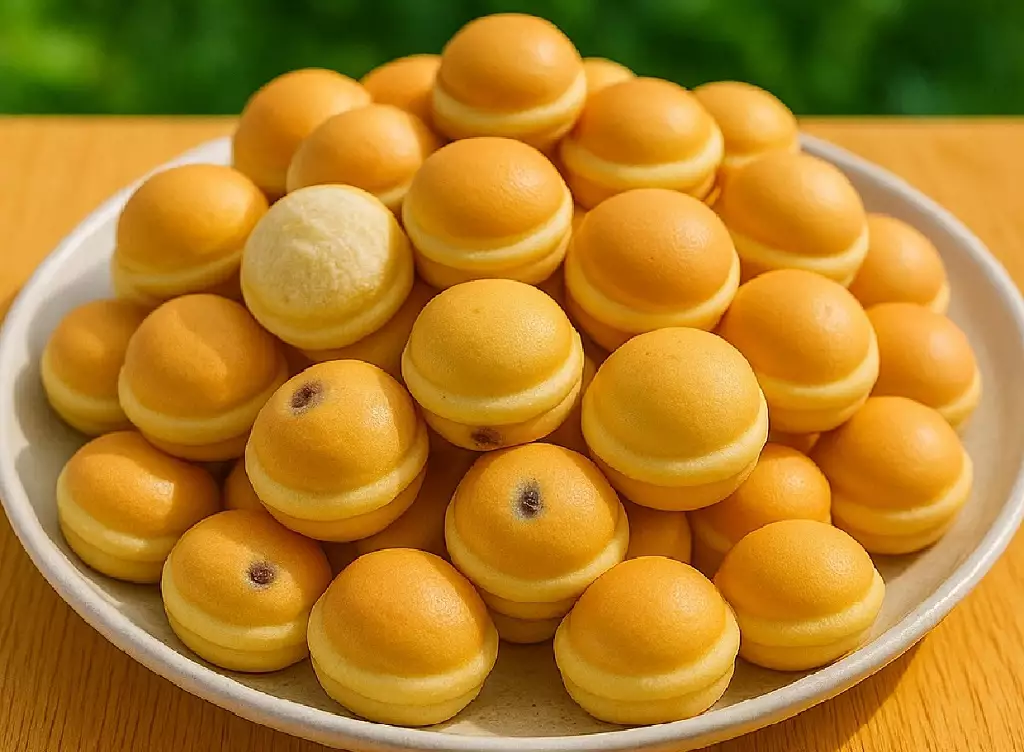
- How to make authentic bubble egg waffles at home, a batter technique guide for Hong Kong style egg waffles
Pie Crust, The Most Asked Pastry Question
Grandmother’s pie crust with cream of tartar is the recipe that answers the question most home bakers ask before they even start: why does my pie crust always shrink, crack, or turn out tough,
The answer is almost always gluten, either too much of it or gluten that was not given enough time to relax before baking. Understanding gluten in pastry is the single most useful piece of knowledge you can have as a pastry baker.
Why Pie Crust Is Different From Bread Dough
In bread making you want gluten, lots of it, fully developed, elastic and strong. Gluten is what traps gas bubbles and gives bread its chew. In pie crust you want the opposite. Gluten makes pie crust tough, chewy, and prone to shrinking back during baking. Every decision in pie crust technique is aimed at minimizing gluten development.
Cold fat coats the flour proteins before they can bond together and form gluten. Cold butter or cold lard pressed into the flour creates a barrier between the protein strands, they cannot link into a gluten network as easily. This is why cold fat is not optional in pastry, it is the mechanism that keeps the crust tender.

Minimum liquid means using only as much water as needed to bring the dough together. Water hydrates the flour proteins and enables gluten formation. Every extra drop of water you add beyond what is necessary develops more gluten. Add water one tablespoon at a time and stop the moment the dough holds together when pressed.
Resting in the refrigerator gives the gluten that did form during mixing time to relax. A pastry rested for 30 minutes rolls out more easily, shrinks less during baking, and produces a more tender result than pastry rolled out immediately after mixing.
What Cream of Tartar Does in Pie Crust
Cream of tartar is an acid, specifically potassium bitartrate, a byproduct of winemaking. In pie crust it inhibits gluten development by interfering with the bonding of gluten proteins. The result is a more tender, more crumbly crust that is less prone to toughness even if the dough is handled slightly more than it should be. It does not affect flavor at the quantities used in pastry, typically 1g (¼ tsp) per 250g (2 cups) of flour.
Pie Crust and Pastry Articles
- Grandmother’s pie crust with cream of tartar, the master pie crust guide, tested specifically to minimize shrinking and toughness
Oats in Baking, The Most Versatile Alternative Ingredient
Oats appear in more baking recipes than almost any other alternative ingredient, and with good reason. They add texture, fiber, and a mild nutty flavor that works in both sweet and savory applications. They can replace flour partially or entirely depending on the recipe. And they are available in every supermarket at a fraction of the cost of specialty gluten-free flours.
Understanding how different types of oats behave in baking allows you to use them confidently across dozens of recipes.
Rolled oats (old-fashioned oats) are whole oat groats that have been steamed and flattened. They retain their shape during baking and add visible texture and chew. Best for: cookies, bars, crumbles, and breads where oat texture is part of the character.
Quick oats are rolled oats cut into smaller pieces before rolling. They absorb moisture faster and blend more smoothly into batters. Best for: muffins, pancakes, and recipes where a smoother texture is preferred.
Oat flour is rolled oats blended until fine. It can replace up to 25 to 30% of the wheat flour in most recipes without significantly affecting texture. Beyond that percentage the recipe may need additional binding, an extra egg or a tablespoon of ground flaxseed mixed with water, to compensate for the absence of gluten.
Steel cut oats are whole oat groats cut into pieces without rolling. They do not soften fully during normal baking times and are not suitable for most baking applications unless pre-cooked.
Oat and Alternative Ingredient Articles
- How to make oat flour dough without sugar or flour, a technique guide for oat-based dough that works for flatbreads, pancakes, and more
- Easy oatmeal breakfast recipe without flour, a baked oatmeal technique that sets like a custard without any wheat flour
- Healthy oatmeal banana chia seed recipe, oats and chia seeds combined for a naturally set no-bake breakfast
- Healthy savory baked oats for dinner with zucchini, a savory baked oat technique that demonstrates how versatile oats are beyond breakfast
- High protein oatmeal recipe for clean eating, a technique guide for maximizing protein content in oat-based baking
- Oatmeal and apple breakfast recipe for weight loss, naturally sweetened baked oats using apple as the primary sweetener
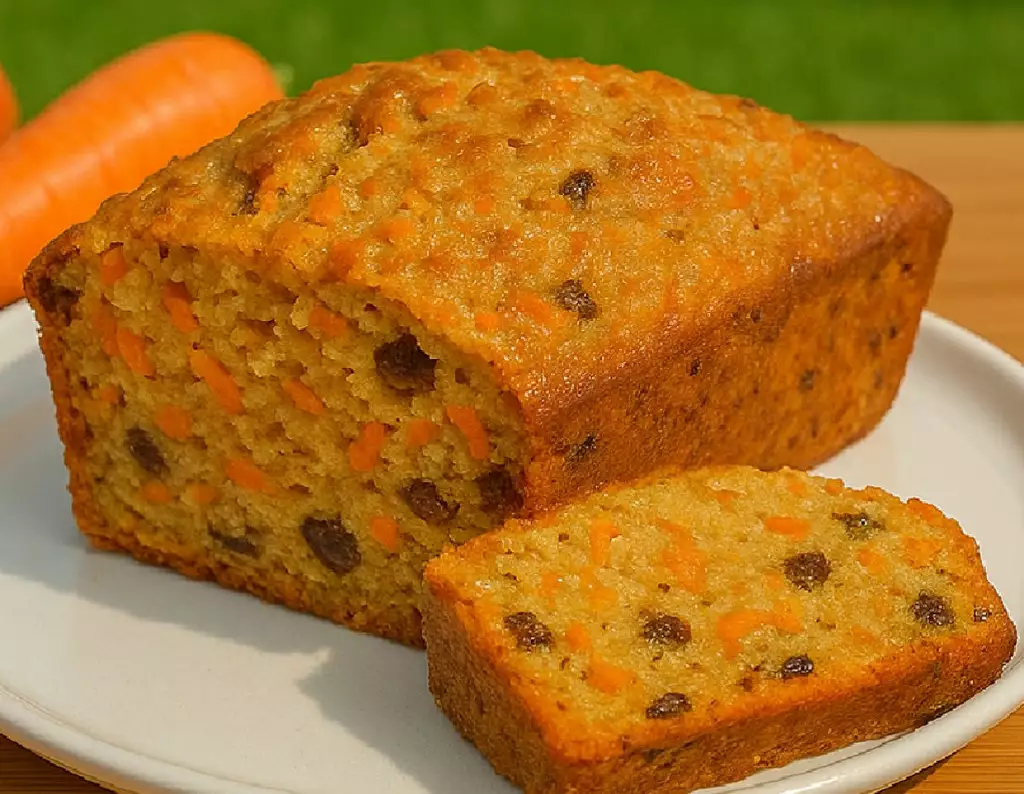
- Sugar-free oatmeal recipe with apples and carrots, a technique guide for baking without added sugar using natural fruit sweeteners
Homemade Cheese, The Unexpected Baking Skill
Making cheese at home sits at the intersection of baking and kitchen science. It uses the same principles of temperature control, acid-protein interaction, and patience that underpin bread and pastry making. And it produces results that are genuinely extraordinary, fresh mozzarella, ricotta, and simple acid-set cheeses that taste completely different from anything available in a supermarket.
The simplest homemade cheeses use acid, white vinegar or lemon juice, to curdle warm milk. The acid causes the milk proteins (casein) to clump together and separate from the liquid whey. The curds are collected, drained, and pressed into the finished cheese. The entire process takes under 30 minutes and requires no specialist equipment.

The Temperature Rule for Homemade Cheese
Milk temperature determines what kind of cheese you can make and how the proteins will behave. Here is the key range:
70 to 80°C (158 to 176°F): The ideal temperature for acid-set fresh cheeses, ricotta, paneer, simple fresh cheese. At this temperature the milk proteins are sufficiently denatured to clump when acid is added. Too cool and the curds will not form properly. Too hot and the proteins over-coagulate into a rubbery texture.
Never boil milk for cheese. Boiling drives off the volatile flavor compounds that give fresh milk its taste and changes the protein structure in ways that produce a flat, slightly cooked flavor in the finished cheese.
Homemade Cheese Articles
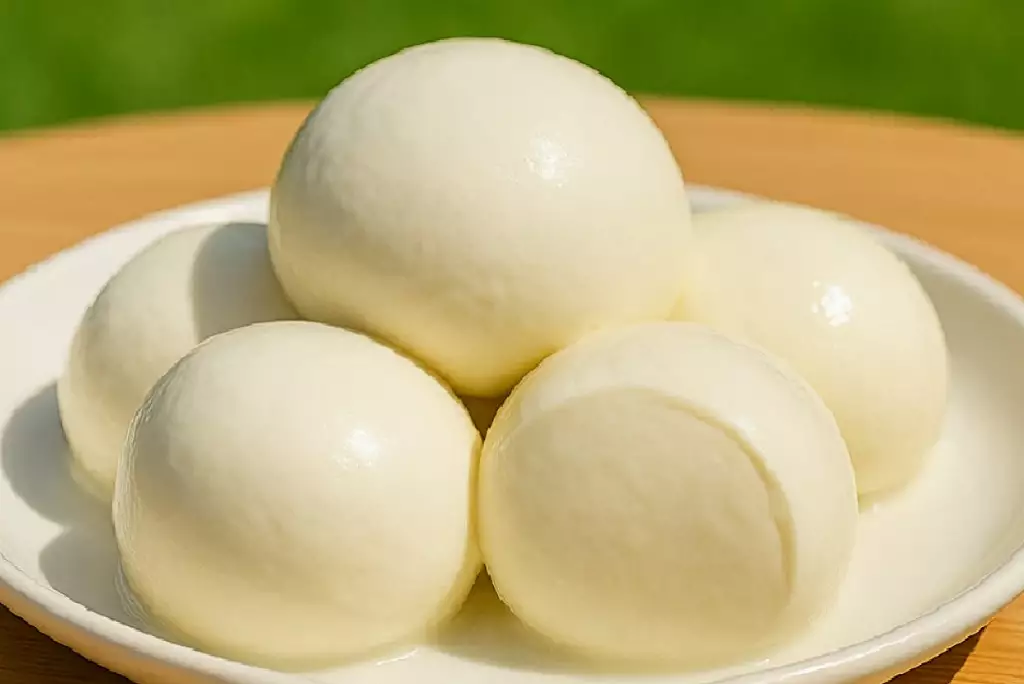
- Homemade mozzarella delight recipe, a step by step guide to stretching and shaping fresh mozzarella at home
- Homemade vinegar cheese recipe, the simplest acid-set cheese, ready in under 30 minutes
- How to make cheese at home with vinegar, a detailed technique guide covering the science of acid-set cheese making
- How to make homemade vegetable broth base cubes, a technique guide for concentrated broth cubes that form the flavor base of many savory baking recipes
The Baking Toolkit, What You Actually Need
Baking equipment guides often overwhelm beginners with long lists of specialist tools. The truth is that most baking can be done with a small number of items that most kitchens already have, plus two or three purchases that will genuinely change your results.

The Non-Negotiables
Kitchen scale. The single most important piece of baking equipment. One cup (120 to 150g) of flour scooped from the bag can vary by up to 30% depending on how it is packed. 200g of flour is always 200g. A scale eliminates the most common cause of baking failure, inaccurate flour measurement, and costs very little. Every recipe on this site gives gram measurements for exactly this reason.
Oven thermometer. Almost every home oven is incorrectly calibrated. An oven that reads 180°C (350°F) may actually be running at 165°C (330°F) or 200°C (390°F). An oven thermometer tells you the actual temperature and allows you to adjust your dial accordingly. Hang it from the center rack and check it every time you preheat.
Instant-read thermometer. Takes the guesswork out of bread baking, caramel making, and cheese making. Bread is done when the internal temperature reaches 88 to 93°C (190 to 200°F). Yeast water should be 38 to 40°C (100 to 105°F). Cheese milk should be 70 to 80°C (158 to 176°F). A thermometer makes all of these precise instead of approximate.
The Useful Additions
Bench scraper. A flat metal blade used to divide dough, clean the work surface, and move shaped dough without tearing it. Costs very little and makes bread and pastry work significantly easier.
Parchment paper. Not a single-use luxury, an essential. Prevents sticking without the spread caused by a greased pan. Lines baking tins, wraps dough for refrigerating, and saves washing up. Buy a large roll and use it for everything.
Digital timer. Not a phone timer, a dedicated kitchen timer that stays on the counter and can be set while your hands are covered in dough. Missing the moment to take bread out of the oven by five minutes is the difference between a perfect loaf and an overbaked one.
Pro Tips From My Kitchen
Read the recipe from beginning to end before you start. This sounds obvious but most baking failures happen because a step was misread mid-process. Baking moves quickly at certain moments, you cannot pause to reread instructions when your caramel is reaching temperature or your egg whites are at stiff peaks. Know the whole process before you begin.
Measure everything before you start mixing. Professional bakers call this mise en place, everything in its place. Weigh and prepare every ingredient before a single bowl is dirtied. When the recipe says to add ingredients quickly or in sequence, you want them ready and within reach. Running to the pantry for a forgotten ingredient mid-recipe costs you every time.
Keep a baking notebook. Write the date, the recipe, any changes you made, and the result, what worked, what did not, what you would do differently. A notebook turns every baking session into a learning session. After six months of notes you will understand your own oven, your own kitchen conditions, and your own technique in a way that no recipe can teach you.
Learn one technique at a time. The biggest mistake new bakers make is attempting too many new techniques in a single recipe. Master the basic loaf before attempting enriched dough. Master enriched dough before attempting lamination. Each technique builds on the previous one and the skills transfer directly.
Baking failures are data, not disasters. A flat loaf tells you something specific, the yeast was dead, the water was too hot, or the dough was under-proofed. A tough pie crust tells you the gluten was overdeveloped from too much water or too much handling. Read the failure, understand the cause, and the next attempt will be better. Every experienced baker has a long history of failures behind their reliable results.
Troubleshooting, What Went Wrong and How to Fix It
My bread did not rise at all. The yeast is almost certainly dead. Test it before using, dissolve in warm water at 38 to 40°C (100 to 105°F) with a pinch of sugar and wait 10 minutes. It should foam and smell yeasty. If nothing happens, replace the yeast. Also check your water temperature, water above 43°C (110°F) kills yeast on contact.
My bread rose but then collapsed. The dough over-proofed, the yeast produced more gas than the gluten structure could support and the network weakened and collapsed. Next time shape and bake when the dough has doubled in size, not when it has tripled. A slightly under-proofed dough recovers in the oven. An over-proofed dough does not.
My pastry shrank during baking. The gluten was not given enough time to relax before baking. After rolling and lining the tin, refrigerate the pastry for a minimum of 30 minutes before blind baking or filling. This relaxes the gluten completely and the pastry holds its shape during baking.
My cake is dense and heavy. Three possible causes: too much flour (always measure by weight), under-creaming (the butter and sugar were not beaten long enough to aerate properly), or over-mixing after the flour was added (developing too much gluten). Check all three on your next attempt.
My homemade cheese did not form curds. Either the milk was not hot enough, it needs to be at 70 to 80°C (158 to 176°F), or not enough acid was added. Add an extra 15ml (1 tbsp) of white vinegar or lemon juice and stir gently. If curds still do not form, the milk temperature has dropped too low, reheat gently and try adding acid again.
My puff pastry did not rise. The butter was too warm during folding and absorbed into the dough instead of staying as distinct layers. Next time work in a cool kitchen, handle the dough as briefly as possible, and refrigerate for 20 minutes between every two folds. The butter must be cold throughout the entire process.
Frequently Asked Questions
Why does baking require such precise measurements when cooking does not?
Cooking is largely forgiving because heat, time, and seasoning can be adjusted as you go. Baking is a chemical process, and the reactions between flour, fat, liquid, leavening, and heat are triggered at specific ratios and temperatures. Too much flour and the structure is too dense. Too little leavening and the rise fails. Too much liquid and the structure cannot set. The precision is not pedantry. It is chemistry.
What is the difference between baking powder and baking soda?
Baking soda is pure sodium bicarbonate, and it needs an acid in the recipe to activate. Common baking acids include buttermilk, yogurt, lemon juice, vinegar, and brown sugar. Without an acid, baking soda produces a soapy, metallic flavor and does not leaven effectively. Baking powder contains sodium bicarbonate plus a dry acid. It activates with moisture alone and does not require an acid in the recipe. Using the wrong one for a recipe produces flat, oddly flavored results.
How do I know when bread is fully baked without a thermometer?
Tap the bottom of the loaf, and a fully baked bread should sound distinctly hollow, like tapping an empty box. The crust should be deep golden and feel firm when pressed. That said, a thermometer is the only genuinely reliable method. Bread is done when the internal temperature reaches 88 to 93°C (190 to 200°F). For the cost of the equipment, it is one of the most useful investments a home baker can make.
Can I substitute self-raising flour for plain flour?
Sometimes, but you must adjust the leavening. Self-raising flour contains approximately 5g (1 tsp) of baking powder per 125g (1 cup) of flour. If you substitute self-raising for plain flour in a recipe that already includes baking powder, reduce or eliminate the baking powder accordingly. Using self-raising flour with the full amount of baking powder produces an over-leavened bake that rises dramatically and then collapses.
Why do recipes specify unsalted butter and then add salt separately?
The salt content of salted butter varies between brands. One brand's salted butter may contain significantly more sodium than another's. Using unsalted butter and adding a measured amount of salt gives you complete control over the sodium level in your bake. It also allows you to taste as you go in fillings and creams where salt balance is critical. Always use unsalted butter in baking unless the recipe specifically states otherwise.
Your Next Steps
You now have a complete baking foundations guide, the vocabulary, the techniques, the science, and the equipment that makes every other recipe easier to understand and easier to follow.
Start with what interests you most. If bread is your goal, begin with how to make fluffy condensed milk bread at home, it teaches every fundamental bread technique in one forgiving recipe. If pastry is your goal, begin with quick blitz puff pastry, it is the fastest route to genuinely flaky homemade pastry. If you want one recipe that teaches you the versatility of a single dough across multiple applications, the crazy dough recipe is exactly that.
And when something goes wrong, because occasionally it will, come back to the troubleshooting section. Every problem listed there has a specific cause and a specific fix. Understanding why something failed is the fastest route to getting it right next time.
Every article and technique in this guide has been researched and verified before publication.
Lucas Bennett, Food Journalist at RecipesCrock
Save This Recipe
Enter your email below and we'll send the link straight to your inbox. You'll also get fresh baking recipes each week.
More From Baking How-To & FAQ

You Might Also Like