I have baked more cakes than I can count. I have also ruined more cakes than I care to admit, including sunken middles, dense crumbs, frosting that slid straight off the sides, and layers that stuck so firmly to the pan they came out in pieces. Every one of those failures taught me something. And everything I learned is in this guide.

Cake baking has a reputation for being difficult. I understand why, because there are more variables than in almost any other type of baking. But here is what I have discovered after 14 years of testing: most cake failures come from a small number of very fixable mistakes. Once you understand what those mistakes are and why they happen, cake baking becomes genuinely reliable.
This is the guide I wish I had at the beginning. Every recipe linked here has been tested in my home kitchen before publication. I will walk you through every technique, every common problem, and every category of cake, from the simplest one-bowl sponges to layered showstoppers that will make your family think you trained professionally.
What This Guide Covers
This guide covers every style of cake, from the simplest one-bowl sponges to layered celebration cakes, across every skill level and occasion. This guide organises them into four main groups, each with its own technique and character:
- Chocolate cakes, the most searched cake category in the world, and for good reason. From one-bowl birthday cakes to molten lava cakes, chocolate is where most home bakers find their confidence.
- Vanilla cupcakes and vanilla cakes, the foundation of all cake baking. Master vanilla and every other flavour becomes easier.
- Cheesecakes, baked and no-bake, classic and creative. The most misunderstood cake category, and the one with the most dramatic results when you get it right.
- Pound cakes, dense, buttery, and forgiving. The best category for beginner bakers who want a reliable result every single time.
By the end of this guide you will understand not just how to follow a cake recipe but why each step matters, and what to do when something goes wrong.
The Five Rules Every Cake Baker Needs to Know
Before we get into specific recipes, here are the five principles that separate consistent cake bakers from frustrated ones. These apply to every single recipe in this guide.
Rule 1. Room temperature ingredients are not optional. Cold eggs and cold butter do not emulsify properly. When you add a cold egg to creamed butter and sugar, the mixture seizes and curdles. The cake still bakes but the crumb is uneven and the texture is dense. Take your eggs, butter, and milk out of the refrigerator at least one hour before baking. This single habit will improve every cake you make.

Rule 2. Measure flour by weight, not by volume. One cup (120 to 150g) of flour scooped directly from the bag can contain up to 30% more flour than one cup spooned and levelled. Too much flour is the most common reason home-baked cakes are dry and dense. Use a kitchen scale. 200g of flour is 200g every single time.
Rule 3. Do not overmix once the flour goes in. Creaming butter and sugar together develops structure. Mixing flour into batter develops gluten. Too much gluten makes cake tough. Once you add the flour, mix only until the last streak of white disappears, then stop. This is the part most recipes mention but do not emphasise enough.
Rule 4. Know your oven. Almost every home oven runs hotter or cooler than its dial says. If your cakes consistently over-brown before they cook through, your oven runs hot. If they take longer than the recipe says, it runs cool. An oven thermometer costs very little and tells you the truth. Check yours before you bake anything important.
Rule 5. Let it cool before you frost it. A warm cake will melt any frosting you apply. More importantly, a cake that is cut too soon has not finished setting, because the crumb is still soft and will compress and tear. Give every cake at least one hour at room temperature before frosting. Give it two hours if you can.
Chocolate Cakes, The Most Rewarding Place to Start
I have made our simple chocolate cake over 30 times, across different ovens, different cocoa powders, and different skill levels in the people I have taught it to. It is the recipe I reach for when I need a cake that will work, whether for birthdays, for last-minute gatherings, or for the days when I simply need chocolate and I need it to be good.
Chocolate cake is forgiving in ways that vanilla cake is not. The cocoa powder masks minor imperfections in crumb texture. The dark color hides uneven browning. And the flavor is bold enough to carry the cake even when the technique is slightly off. This makes it the ideal starting point for beginner bakers.

The Dutch Process vs Natural Cocoa Question
This is the question I get asked most often about chocolate cake. Here is the honest answer:
Natural cocoa powder is acidic. It reacts with baking soda to create lift. It has a lighter, fruitier chocolate flavor. It is what most supermarkets sell as standard cocoa powder.
Dutch process cocoa powder has been treated with alkali to neutralize its acidity. It does not react with baking soda, so it needs baking powder instead. It has a darker color and a deeper, more intense chocolate flavor.
Using the wrong type for the recipe can result in a cake that does not rise properly. Always check which type your recipe calls for and use exactly that.
The Secret to a Genuinely Moist Chocolate Cake
Hot water or hot coffee added to chocolate cake batter is not a mistake. It is intentional. The heat blooms the cocoa powder, intensifying its flavor dramatically. Hot coffee enhances the chocolate even further without making the cake taste like coffee. If you are nervous about using coffee, use hot water. But trust me, try the coffee version once and you will never go back.
Chocolate Cake Recipes
- Easy moist chocolate birthday cake, the recipe to start with. One bowl, reliable, never fails
- Easy moist eggless chocolate cake, tested specifically for egg-free bakers without compromising on texture
- Super moist chocolate banana cake, the banana adds moisture and natural sweetness that makes this extraordinary
- Double chocolate cola layer cake, the cola creates an incredibly tender crumb through its acidity and carbonation
- Indulgent chocolate banana layer cake, a showstopper for celebrations, tested to hold its layers
- Moist chocolate zucchini cake with double layers, the zucchini adds moisture invisibly, and no one will know it is in there
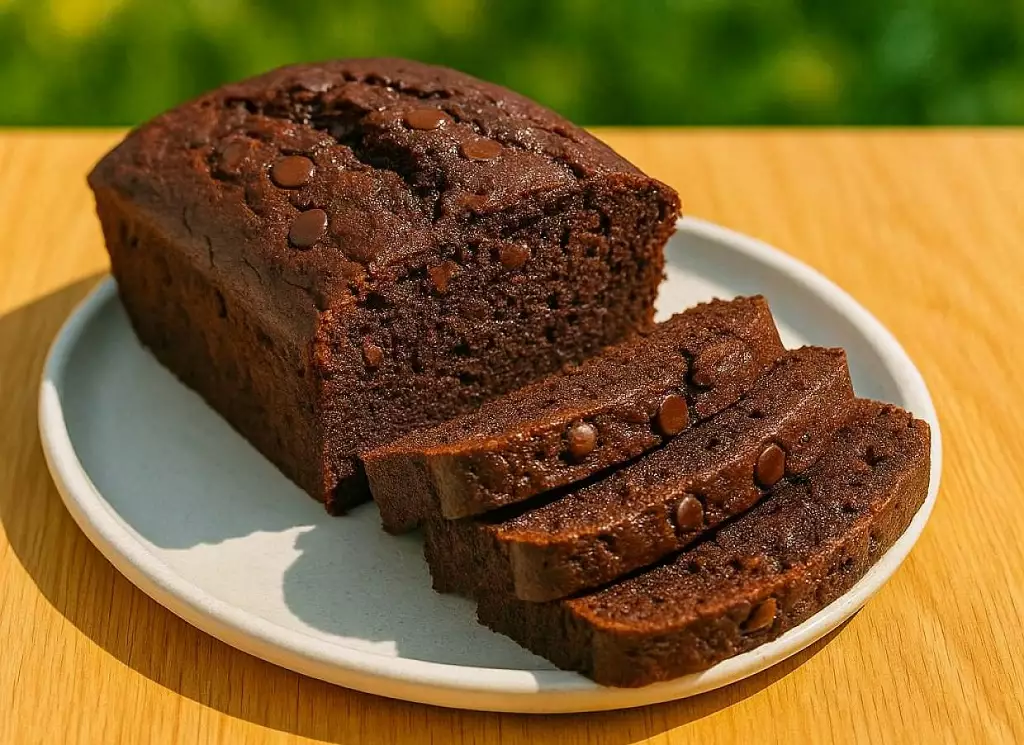
- Super moist chocolate zucchini loaf cake, the loaf version, simpler to slice and serve
- Molten chocolate lava cakes, individual portions with a liquid center, more achievable than they look
- Chocolate dream roll cake, a Swiss roll technique with a chocolate sponge and cream filling
- Chocolate ooey gooey cake, deliberately fudgy and dense, served warm from the pan
- 1-egg chocolate cake no oven, stovetop method for when you have no oven access
Vanilla Cakes and Cupcakes, The Foundation of All Cake Baking
Easy fluffy vanilla cupcakes are where I recommend every beginner starts. Not because they are the easiest cake, a one-bowl sponge is simpler, but because mastering vanilla teaches you every fundamental skill that transfers to every other cake you will ever make.
Vanilla is unforgiving in a way that chocolate is not. There is nothing to hide behind. The crumb texture, the rise, and the evenness of the bake are all visible and tasted directly. When you can bake a consistently fluffy vanilla cupcake, you can bake anything.

The Creaming Method, What It Does and Why It Matters
Most vanilla cakes use the creaming method, beating butter and sugar together until pale, light, and fluffy before adding any other ingredient. This step is not just mixing. It is aerating. The sugar crystals cut into the butter and create thousands of tiny air pockets. Those air pockets expand in the heat of the oven and give your cake its rise and its light crumb.
Undercrease, or rushing this step, is the most common reason vanilla cakes are dense. Cream your butter and sugar for a full 4 to 5 minutes using a hand mixer or stand mixer, or 8 to 10 minutes by hand. The mixture should turn noticeably paler in color and increase in volume. That is when you know it is ready.

Adding Eggs, The Emulsification Step
Add eggs one at a time, beating well after each addition. If you add them all at once, the fat and liquid cannot emulsify properly and the batter will look curdled. If this happens, do not panic. Add a tablespoon of your measured flour and beat briefly. The flour will help bring the emulsion back together.
Vanilla Cake and Cupcake Recipes
- Easy fluffy vanilla cupcakes, the master vanilla recipe, tested more times than any other on this site
- Moist and buttery vanilla sheet cake, the easiest format for a crowd, with one pan and no layers to stack
- Moist vanilla cake with buttercream frosting, the classic layered version with a reliable Swiss meringue buttercream
- Fluffy vanilla sponge cake with milk and sugar, a lighter European-style sponge using the hot milk technique
- Simple vanilla sponge cake, four ingredients, one bowl, and genuinely foolproof
- Classic light and airy sponge cake, the whisked egg method for maximum lift with minimum fat
- Simple 3-ingredient sponge cake, for the days when your pantry is nearly empty
- One-bowl eggless vanilla cake, tested specifically for egg-free bakers
- Light and moist milk cupcakes, a simplified cupcake using condensed milk for extra tenderness
- Salted caramel cream cheese cupcakes, vanilla base with a caramel filling and cream cheese frosting
- Soft butter lemon cupcakes with lemon frosting, bright, citrusy, and impossible to stop at one
Butter and Condensed Milk Cakes, Rich, Tender, and Reliable
This group of cakes uses either a high proportion of butter or condensed milk as a primary ingredient. Both produce an exceptionally moist, tender crumb that stays fresh longer than standard sponge cakes. These are the cakes I reach for when I want guaranteed results with minimal risk.
Why Condensed Milk Changes Everything
Sweetened condensed milk is not just sugar and milk. It is a pre-cooked, concentrated dairy product that behaves differently from fresh milk in baking. It adds sweetness, moisture, and a subtle caramel depth of flavor that you cannot get from granulated sugar alone. It also helps cakes stay moist for days after baking, which makes them ideal for making ahead.

Butter and Condensed Milk Cake Recipes
- Easy condensed milk cake, the entry point for condensed milk baking, simple and reliable
- Soft and moist condensed milk cake, a slightly richer version with a more tender crumb
- Condensed milk coffee cake no oven, stovetop method, deeply flavored
- Condensed milk flan cake, two desserts baked in one pan, with the magic of chocoflan technique
- Moist butter cake with vanilla extract, the benchmark butter cake recipe, tested to perfect ratio
- Super soft moist butter cake, a higher butter ratio for an even more tender result
- Rich butter cake, denser and more indulgent than a standard butter cake
- Soft butter cake, with a lighter crumb achieved by separating and whipping the egg whites
- Quick microwave banana condensed milk cake, ready in under 10 minutes when you need something immediately
Fruit and Flavoured Cakes, Where Creativity Begins
Once you have mastered vanilla and chocolate, fruit cakes open up the most creative territory in home baking. The acid in citrus fruits tenderizes gluten. The moisture in grated apple or zucchini keeps cakes fresh for days. The natural sugars in ripe banana mean you can reduce added sugar without losing sweetness.

This is also where international baking becomes part of your repertoire, including Swedish spice cakes, Persian date cakes, Filipino cassava cakes, and Latin tres leches. Each one uses a technique slightly different from standard Western cake baking, and each one is worth learning.

Lemon and Citrus Cakes
- Easy homemade lemon butter cake, bright, buttery, and reliably moist
- Easy lemon milk sheet cake, a one-pan format with a soaked lemon glaze
- Creamy lemon cake you’ll make every week, the name is accurate, and this one becomes a regular
- Zesty lemon cake, maximum citrus flavor from both zest and juice
- Lemon Greek yogurt cake with fresh lemon juice, the yogurt adds tang and keeps this cake moist for days
- Easy orange blender cake, the entire orange blended in, pith and all, for an intensely flavored result
- Super moist orange cake with fresh citrus flavor, tested to balance sweetness against the natural bitterness of orange
- The famous orange cake that melts in your mouth, a soaked orange syrup cake, impossibly tender
- Blueberry lemonade buttermilk cake, the buttermilk keeps this cake light despite the fruit load
Apple, Peach, and Tropical Cakes
- Creamy apple cake with lemon and tea infusion, the tea infusion is unusual and completely worth it
- Soft apple cake, simple, warmly spiced, and the kind of cake that disappears within hours
- Swedish apple cake, a cinnamon-heavy Scandinavian classic that belongs in every autumn rotation
- Delicious peach cake with fresh peaches, fresh peaches only. Tinned peaches make this cake watery
- Hawaiian pineapple cake, crushed pineapple baked directly into the batter for tropical flavor throughout
- Pineapple heaven cake with crushed pineapple topping, double pineapple, in the batter and on top
- Pineapple paradise cake, a lighter, fluffier take on pineapple cake
- Pineapple upside-down cupcakes, individual portions of the classic, with caramelized pineapple on top
Yogurt and Specialty Cakes
- Fluffy and light yogurt cake, yogurt replaces butter entirely, so it is lighter and tangier
- Moist and fluffy yoghurt cake, a slightly richer version using full-fat yogurt
- Gorgeous Greek yogurt cake, Greek yogurt adds protein and a more complex tang
- Sweet potato butter cake, the sweet potato adds natural moisture and a subtle earthy sweetness
- Moist buttered vanilla spice cake, warm spices with a buttery crumb, perfect for autumn
- Moist Persian date cake with honey glaze, naturally sweetened, dense, and extraordinarily flavored
- 3-ingredient egg yogurt cake bread, for when your pantry is almost empty and you still want cake
Pound Cakes, The Most Reliable Cakes for Beginner Bakers
Strawberry cream pound cake was the first cake I ever made that genuinely impressed people. Pound cake is where I send every beginner baker who tells me they are nervous about cake, because pound cake is designed to work.
The name comes from the original recipe: one pound each of butter, sugar, eggs, and flour. Modern pound cakes adjust those ratios but the principle remains the same: high fat, high sugar, and a dense, forgiving crumb. The extra fat means there is more margin for error in mixing technique. The high sugar means it browns beautifully even in an imperfect oven.

The Tunnel Problem, and How to Avoid It
The most common pound cake problem is tunneling, long holes through the crumb caused by overmixing after the flour is added. Overmixing develops too much gluten, which creates structure before the gas bubbles from the leavening can expand. Those bubbles push through the developed gluten in channels rather than distributing evenly.
The fix is simple: once the flour goes in, mix on the lowest speed and stop the moment the batter looks smooth. Thirty seconds of mixing after the flour is enough. This is the part most recipes get wrong.
Pound Cake Recipes
- Strawberry cream pound cake, the recipe that made me fall in love with pound cake
- Butter pecan pound cake with vanilla glaze, toasted pecans folded into the batter add crunch and depth
- Homemade caramel pound cake with buttery glaze, the caramel glaze sets into a thin crisp shell on top
- Italian cream pound cake with cream cheese glaze, coconut and pecans folded in, with cream cheese glaze on top
- Pina colada pound cake, pineapple and coconut in a dense tropical loaf
- Yellow pound cake with chocolate frosting, the classic American pairing, tested to get the frosting ratio right
- Belizean coconut rum sweet potato pound cake, a Caribbean-influenced pound cake unlike anything else on this site
Cheesecakes, The Most Dramatic Results in Cake Baking
Fluffy cheesecake is the recipe that gets the most comments from readers. People are intimidated by cheesecake, including the water bath, the cracking, and the texture questions, and then they make it and realise it was never as difficult as they feared.
Cheesecake sits between a cake and a custard. It sets through the coagulation of proteins in the cream cheese and eggs rather than through gluten development. This means the rules are completely different from standard cake baking.

The Water Bath, Why It Exists and When You Need It
A water bath (bain-marie) surrounds the cheesecake pan with hot water during baking. This does two things: it keeps the oven temperature gentle and even around the cheesecake, and it adds humidity to the oven which prevents the surface from drying out and cracking.
For a creamy, crack-free New York style cheesecake the water bath is non-negotiable. For a Japanese cotton cheesecake it is essential, because without it the delicate egg white foam collapses. For a rustic Basque burnt cheesecake you do not use one at all, because the cracking and burning is the entire point.
Cheesecake Recipes
- Fluffy cheesecake, light and creamy perfection, the master cheesecake recipe, with a water bath method tested to prevent cracking
- Fluffy Japanese cheesecake, cotton-soft texture achieved through whipped egg whites folded into the batter
- Fluffy Japanese cotton cheesecake cupcakes, individual portions of the Japanese cotton technique
- Homemade Basque burnt cheesecake, deliberately cracked and caramelized on top, with a creamy and almost liquid center
- Churro cheesecake, cinnamon sugar crust with a creamy filling, two desserts in one
- Reese’s caramel cheesecake, peanut butter and caramel layered into a rich baked cheesecake
- Tropical pineapple cream cheesecake, fresh pineapple folded into the filling with a coconut biscuit base
- Strawberry shortcake cheesecake, three layers: shortcake, cheesecake, and strawberry topping
- Strawberry crunch cheesecake, the viral strawberry crunch coating pressed onto the outside
International and Specialty Cakes
Home baking is not just Victoria sponge and birthday cake. It is also the castella from Japan, the tres leches from Mexico, and the cassava cake from the Philippines. These recipes use techniques that feel unfamiliar at first and become some of the most rewarding bakes you will ever attempt.
- Fluffy castella sponge cake, a Japanese honey sponge with a tight, bouncy crumb baked in a wooden frame
- Tres leches cake with whipped cream, soaked in three milks until impossibly moist, topped with whipped cream
- Cassava cake with macapuno, a Filipino classic using grated cassava for a chewy, dense texture
- Fluffy steamed rice cakes, puto bigas, steamed not baked, light and slightly sweet
- Baked milk custard rice cake, a layered custard and rice cake baked until set
- Chocoflan cake with caramel and chocolate layers, the impossible cake where chocolate and flan layers switch places in the oven
- Chiffon cake, oil-based rather than butter-based, extraordinarily light, and requiring a tube pan
- Soft vanilla Swiss roll cake, a rolled sponge with cream filling, and the technique is easier than it looks
- Italian spumoni cake, three flavored layers inspired by the Italian frozen dessert
- Italian cream filled pastry cake, layers of pastry and cream in the Italian tradition
- Traditional stottie cake, a North English flatbread-style cake, dense and filling
- Tokyo’s famous molten cheese tart, individual tarts with a molten cream cheese center
Celebration and Fun Cakes
- Strawberry glaze cake, a celebration cake with a mirror-like strawberry glaze
- Homemade Boston cream poke cake, custard poured into holes in the cake for filling in every bite
- King’s Hawaiian cheesecake Danish, a hybrid between a Danish pastry and a cheesecake filling
- Homemade funnel cake bites, fairground funnel cake made at home, dusted with powdered sugar
- Mini caramel flan cups, individual caramel flans set in small cups, elegant and simple
- Paw Patrol cake ideas and tutorials, decoration ideas and baking tips for children’s celebration cakes
Pro Tips From My Kitchen
Use cake strips for perfectly level layers. Wet fabric strips wrapped around the outside of your cake pan during baking insulate the edges and slow their cooking. This means the center and edges bake at the same rate, producing a completely flat top with no dome to slice off. Professional bakeries use them on every single cake.
Brush layers with simple syrup. Simple syrup, equal parts (100g / ½ cup) water and sugar heated until dissolved, brushed onto each cake layer before frosting adds moisture that keeps the cake fresh for days. This is the technique that makes bakery cakes taste better the next day than the day they were made.
Chill your cake before cutting. A fully cooled, frosted cake that has been refrigerated for 30 minutes will cut into clean, sharp slices. A room-temperature frosted cake will compress and smear as you cut. If presentation matters, always chill before slicing.
The toothpick test has one exception. Insert a toothpick into the center of the cake. It should come out clean or with a few moist crumbs, not wet batter. The exception is molten lava cake. The toothpick should come out with wet batter from the center. That liquid center is the point.
Invert immediately for pound cakes. Turn pound cakes out of their pan within 5 minutes of coming out of the oven. If you wait until they are fully cool, the sugar in the crust can set against the pan and the cake will stick permanently. Invert while still warm, then let it finish cooling on a rack.
Troubleshooting, What Went Wrong and How to Fix It
My cake sank in the middle. Four possible causes: underbaked (the center was still liquid when you removed it), too much leavening (excess baking powder creates a rise that collapses), oven door opened too early (the sudden temperature drop deflates an unset cake), or too much liquid in the batter. Use an oven thermometer, check doneness with a toothpick, and do not open the oven door in the first two thirds of baking time.
My cake is dry. Too much flour or too little fat. Check your flour measurement and always weigh it. Also check your baking time, because overbaking dries out any cake. Pull it from the oven the moment the toothpick comes out clean.
My frosting is sliding off. The cake was too warm when you frosted it. Always cool completely, for at least one hour at room temperature, before applying any frosting. For buttercream in warm weather, refrigerate the frosted cake immediately.
My cheesecake cracked. Overmixing incorporates too much air which expands in the oven and then contracts as it cools, causing cracks. Mix cheesecake batter on low speed only and stop as soon as it is smooth. Also avoid opening the oven door during baking. Let the cheesecake cool slowly. Turn the oven off and leave the door slightly open for one hour before removing.
My layers are uneven. Weigh your batter into each pan rather than estimating visually. A kitchen scale takes 10 seconds and guarantees equal layers every time.
My cupcakes have peaks and domes. Your oven temperature is too high. The outside sets before the center has finished rising, forcing the batter up through the middle. Reduce your oven temperature by 10°C (20°F) and extend the baking time slightly.
Frequently Asked Questions
Do I need a stand mixer to make cakes?
No. Every recipe on this site was tested by hand or with a basic hand mixer. A stand mixer makes creaming faster and easier but it is never a requirement. A hand mixer does everything a stand mixer does, it just requires you to hold it.
What is the difference between a sponge cake and a butter cake?
A butter cake uses the creaming method, with fat creamed with sugar first, creating a dense, moist crumb. A sponge cake uses whipped eggs as its primary leavening, with little or no fat added, creating a lighter, airier crumb. Both have their place. Butter cakes are more forgiving for beginners. Sponge cakes are lighter but require more careful technique with the eggs.
Can I substitute oil for butter in a cake recipe?
Sometimes, but not always. Oil produces a moister crumb than butter because it stays liquid at room temperature, while butter solidifies. However oil adds no flavor and cannot be creamed to aerate the batter. Recipes designed for oil work with oil. Recipes designed for butter need butter. Do not substitute one for the other unless the recipe specifically allows it.
Why did my cake stick to the pan?
Either the pan was not greased thoroughly enough, or you waited too long to turn it out. Grease every corner of the pan, including the sides, then dust with flour and tap out the excess. Turn the cake out within 10 minutes of coming out of the oven while it is still slightly warm.
Can I make cake batter ahead of time?
For most cakes, no. Once baking powder or baking soda is mixed with liquid it begins activating immediately. Leaving the batter to sit means the leavening exhausts itself before the cake goes into the oven and the result is a flat, dense cake. Mix and bake immediately. The exception is pound cake batter which can rest briefly because it relies less on chemical leavening.
Your Next Steps
You now have 91 tested cake recipes organised by technique and occasion. Start where your confidence is right now.
If you are a beginner, our simple 3-ingredient sponge cake or easy condensed milk cake will give you a successful result on your first attempt. If you are ready to push your technique, the fluffy Japanese cheesecake or castella sponge cake will teach you skills that transfer to every other cake you make.
And when something goes wrong, because occasionally it will, come back to the troubleshooting section. Every problem listed there happened in my kitchen first.
These recipes were developed and tested multiple times in my home kitchen before publication. Every technique described in this guide comes from real test rounds, not theory.
Aveline Sinclair, Founder of RecipesCrock
Save This Recipe
Enter your email below and we'll send the link straight to your inbox. You'll also get fresh baking recipes each week.
More From Cakes & Cupcakes


You Might Also Like