Some of my most vivid baking memories are tied to a season. The smell of warm spice and butter filling the kitchen on Good Friday morning. The first batch of cinnamon sugar pumpkin donuts cooling on the rack in September. The fruitcake sitting on the counter in October, wrapped in parchment and waiting patiently, gets better every single week.

Holiday baking is different from everyday baking. The recipes carry meaning that goes beyond flavor. A hot cross bun on Easter morning is not just a bread roll. It is a tradition. A Christmas fruitcake fed with brandy for six weeks is not just a cake. It is an act of care and planning that the people you share it with can taste in every bite.
I have been baking for every season for over 14 years. I have also made every seasonal mistake there is. I rushed a fruitcake and served it too young, made hot cross buns with dead yeast and dense disappointing results, and pulled pumpkin donuts from the oven that were gummy inside because the batter was too wet. Every one of those failures taught me something specific that I have built into every recipe in this guide.
This guide is built from those lessons. Every recipe linked here has been tested in my home kitchen before publication. Whether you are planning your Easter baking table, your autumn harvest spread, or your Christmas baking list, this guide will walk you through every technique, every timing decision, and every seasonal recipe so that your holiday baking is ready exactly when it needs to be.
What This Guide Covers
Seasonal and holiday baking covers four distinct baking seasons, each with its own recipes, its own techniques, and its own timing. This guide organises every recipe into four seasonal groups:
- Hot cross buns, the most important Easter baking recipe, and one that rewards patience and planning more than almost any other recipe in this guide
- Easter bread, a braided enriched loaf that is the visual and aromatic centerpiece of the Easter baking table
- Pumpkin donuts, the recipe that marks the beginning of autumn in my kitchen every single year without exception
- Fruitcake, the most misunderstood Christmas bake, and the one that rewards patience more than any other recipe in this guide
By the end of this guide you will have a tested recipe for every major baking season and the knowledge to make each one at exactly the right moment.
Easter Baking: The Enriched Dough Season
Easter is the most technically demanding baking season because its signature recipes, hot cross buns, Easter bread, and braided loaves, all use enriched yeasted doughs. These doughs are forgiving once you understand them, but they require more time and more attention than quick breads or cookies.
The good news: mastering enriched dough for Easter baking gives you a technique that transfers directly to cinnamon rolls, brioche, milk buns, and dozens of other breads you will want to bake all year long. Easter baking is where home bakers genuinely level up.
Hot Cross Buns: The Heart of Easter Baking
Soft hot cross buns are the recipe I get asked about most in the weeks before Easter. They are also the recipe that generates the most troubleshooting questions, and almost all of them are about the dough not rising or the buns coming out dense.
Hot cross bun dough is an enriched dough. It contains butter, eggs, milk, and sugar in addition to flour and yeast. The enrichment makes the buns soft and tender but also slows the yeast. A hot cross bun dough typically takes 1.5 to 2 hours for its first rise at room temperature, which is longer than a lean dough. Do not rush this. The rise time is not wasted time. It is flavor development time. A dough that has risen slowly produces a bun with significantly more complex flavor than one that was forced to rise quickly in a warm oven.

My strongest advice for Easter baking: make your hot cross bun dough the evening before you want to serve them. Shape the buns, cover the tray, and refrigerate overnight. In the morning take the tray out 30 minutes before baking while the oven preheats. The cold slow overnight proof develops a flavor complexity that a fast room temperature proof simply cannot replicate. Your kitchen will smell extraordinary and your buns will be the best you have ever made.
The Spice Blend
The spice blend is what makes a hot cross bun taste like a hot cross bun rather than a generic enriched bread roll. The classic blend uses cinnamon, mixed spice, and nutmeg. Here is the ratio I use after extensive testing:
- 5g (1 tsp) ground cinnamon
- 3g (½ tsp) mixed spice
- 1g (¼ tsp) freshly grated nutmeg
Do not skip the nutmeg and do not use pre-ground nutmeg if you can avoid it. Freshly grated nutmeg has a completely different, more complex flavor than the pre-ground version that has been sitting in a jar for months.

The Cross: Two Methods
Flour paste cross: Mix 60g (½ cup) plain flour with enough water to make a thick pipeable paste, roughly 60ml (4 tbsp). Pipe it across the shaped buns just before baking. This produces a raised, slightly doughy cross that is traditional and visually bold. It bakes onto the bun and becomes part of it.
Icing cross: After baking and cooling, pipe a simple water icing, 100g (¾ cup) powdered sugar mixed with 15ml (1 tbsp) water, across the buns. This produces a flat, sweet cross with a slight crunch when you bite through it. It is less traditional but easier to control and sweeter in flavor.
Both methods are correct. Choose based on your preference and your family’s expectations.

Easter Bread and Bun Recipes
- Soft hot cross buns, the master Easter recipe, tested specifically for the soft enriched crumb and the traditional spiced flavor
- Fluffy homemade Easter bread, a braided enriched loaf that fills the kitchen with the best aroma and looks extraordinary on the Easter table

Fall and Autumn Baking: Warm Spices and Golden Results
Autumn is my favourite baking season. The kitchen feels warmer, the spices smell richer, and every bake that comes out of the oven in September or October feels like exactly the right thing to be making. Pumpkin, cinnamon, apple, and ginger belong to this season in a way that nothing else quite matches.
Fall baking is also deeply forgiving. The warm spices carry a bake even when the technique is slightly imperfect. The rich flavors mask minor variations in texture. If you are building your baking confidence, autumn is the best season to experiment.
Pumpkin Donuts: The Recipe That Marks the Beginning of Autumn
Baked pumpkin donuts with cinnamon sugar are the first thing I bake every September. The moment the cinnamon sugar hits the warm donuts as they come out of the oven, the smell says autumn to me. I have made this recipe more times than I can count, and it has never once disappointed anyone who has tasted it.
These donuts are baked, not fried, which means they are faster, less messy, and more forgiving than a traditional fried donut. The pumpkin puree adds a deep orange color, a subtle earthy sweetness, and moisture that keeps the donuts soft for two days after baking.

The Pumpkin Baking Principle
Pumpkin puree adds moisture, color, and a subtle earthy sweetness to baked goods. It also adds liquid, which means pumpkin recipes require less added liquid than equivalent non-pumpkin recipes. The most common pumpkin baking mistake is adding full amounts of milk or water alongside full amounts of pumpkin puree, which produces a batter that is too wet and a finished bake that is dense and gummy.
Always use pure pumpkin puree, not pumpkin pie filling, which contains added sugar and spices that will throw off the entire recipe balance.
The warm spice blend that works with pumpkin in almost every application:
- 5g (1 tsp) ground cinnamon
- 2g (½ tsp) ground ginger
- 1g (¼ tsp) ground nutmeg
- 1g (¼ tsp) ground cloves
Make a large batch of this blend and store it in a sealed jar. It keeps for up to six months and works in donuts, cakes, muffins, and cookies throughout the entire autumn season.

Dandelion Baking: Something Truly Unique
Dandelion baking is one of the recipes I am most proud of, not because it is technically difficult, but because it is genuinely unlike anything most home bakers have tried before. In spring and early summer when dandelions are in bloom, these recipes offer something completely different: a connection between baking and the natural world that I find endlessly satisfying.
The flavor of dandelion petals in baking is subtle, slightly floral, faintly honey-like, with a mild bitterness that disappears almost entirely when baked. The visual impact is extraordinary. The yellow petals create a golden fleck throughout the crumb that photographs beautifully and sparks conversation every time someone sees it.
Use petals only, and pull them away from the green base of each flower before using. The green parts are significantly more bitter than the petals and will add an unpleasant sharpness to your bake. The petals alone give you the delicate floral flavor without any bitterness.

Fall and Seasonal Recipes
- Baked pumpkin donuts with cinnamon sugar, the recipe that marks the beginning of autumn in my kitchen every year
- Dandelion bread with fresh petals and honey, a spring foraging recipe with a genuinely unique flavor and visual appeal
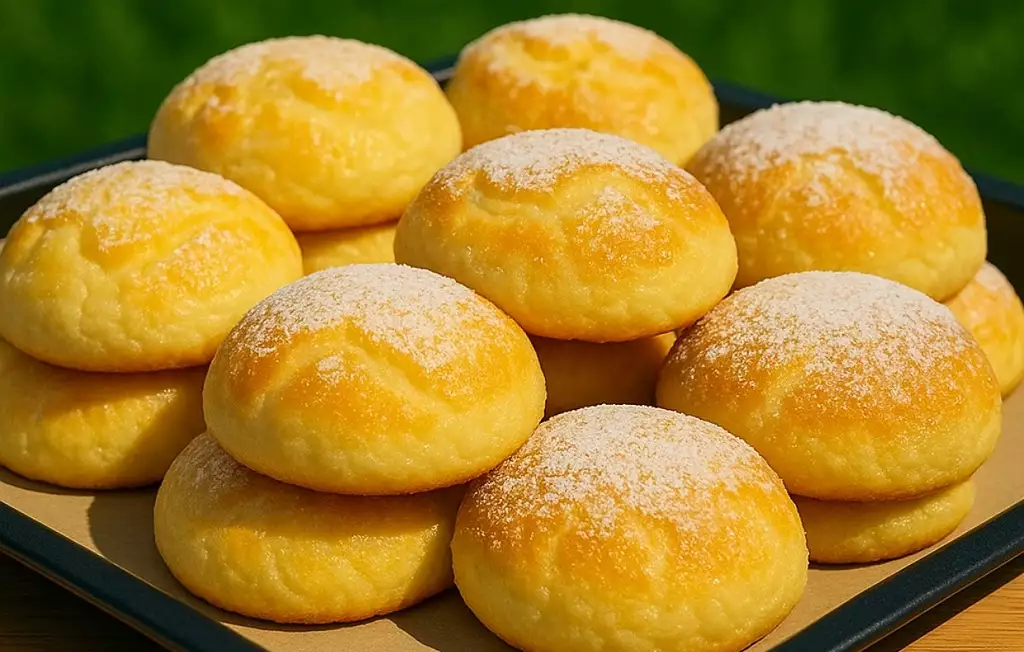
- Dandelion cookies with fresh petals, golden petal-flecked cookies that are unlike anything else in the cookies category
- Honey dandelion cream bread, a cream-enriched loaf with honey and dandelion petals, soft and lightly floral
Christmas Baking: The Most Meaningful Season
Christmas baking carries more emotional weight than any other seasonal baking. The recipes are tied to memory: the smell of warm spices, the sound of a fruitcake being unwrapped after weeks of maturing, and the sight of cranberry and pistachio shortbread arranged in a tin as a gift. These are the bakes that people remember for decades.
They are also the bakes that require the most planning. Christmas baking done well is not a December activity. It begins in October and builds through November into the final preparations of December. The recipes that reward the longest preparation time produce the most extraordinary results.
Fruitcake: The Most Misunderstood Christmas Bake
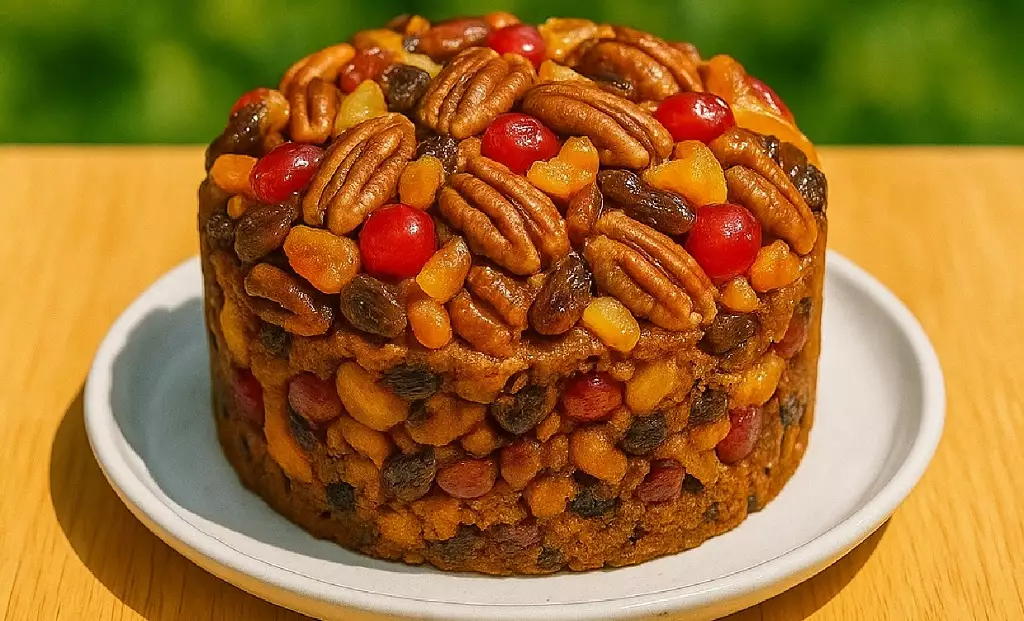
Best homemade fruitcake without citron or mixed peel is the recipe that converts fruitcake skeptics. I have served this cake to people who told me they hated fruitcake and watched them ask for a second slice. The reputation of fruitcake, dense, overly sweet, and full of artificial-tasting mixed peel, comes almost entirely from mass-produced commercial versions. A properly made homemade fruitcake is a completely different thing.
The key difference is the fruit. Commercial fruitcake uses cheap mixed peel and artificially colored cherries. A good homemade fruitcake uses real dried fruit, including sultanas, raisins, dried apricots, dried cranberries, and dried cherries, soaked overnight in brandy, rum, or orange juice. The soaking step is not optional. It is what makes the difference between a fruitcake that tastes flat and artificial and one that tastes genuinely extraordinary.

The Soaking Step: Why It Changes Everything
When dried fruit is soaked in alcohol or juice overnight, two things happen. First the fruit rehydrates, so it plumps up and becomes soft and juicy rather than dry and chewy. Second, the liquid carries flavor into the fruit. Brandy-soaked sultanas taste of brandy, and orange-soaked raisins taste of orange. This flavor carries through the entire cake when the fruit is baked into it.
The soaking liquid also affects the cake batter itself. When you fold soaked fruit into the batter, some of the soaking liquid transfers into the batter with the fruit, adding moisture and flavor simultaneously. This is why fruitcakes made with properly soaked fruit stay moist for weeks after baking. The fruit continues to release its stored liquid slowly into the surrounding crumb over time.
The Feeding Process: Patience Rewarded
Traditional Christmas fruitcake is fed with alcohol after baking, a practice that sounds complicated but takes less than five minutes and produces a result that no unfed fruitcake can match.
Once the cake has cooled completely, skewer the top all over with a thin skewer, then pour or brush 30ml (2 tbsp) of brandy or rum slowly over the surface. The alcohol soaks through the holes into the cake. Wrap tightly in parchment paper and store in a cool dark place. Repeat this process every week for up to four weeks before serving.

Feeding the cake does two things: it keeps the cake moist and fresh over the long storage period, and it develops the flavor progressively. A cake fed over four weeks has a significantly deeper, more complex, and more rounded flavor than one baked and served the same week. Bake your Christmas fruitcake in October. Feed it every week through November. Serve it at Christmas. That is the correct order of events, and it produces a cake unlike anything you can buy.
Christmas and Seasonal Crossover Recipes
- Best homemade fruitcake without citron or mixed peel, the Christmas centerpiece recipe, tested specifically to avoid every quality problem of commercial fruitcake
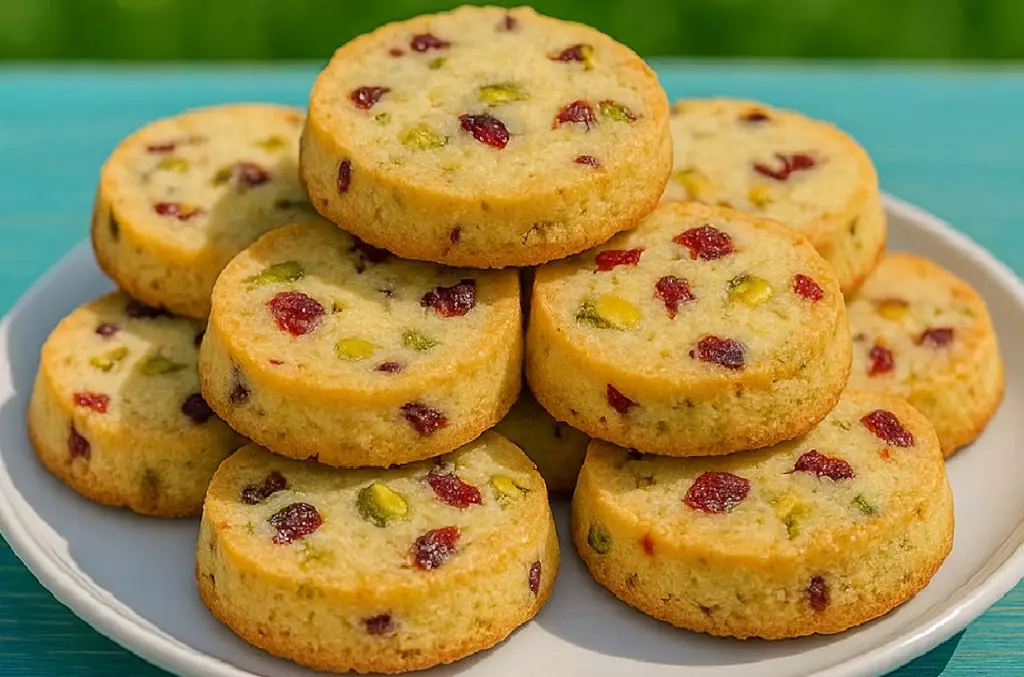
- Cranberry pistachio shortbread cookies, with red cranberries and green pistachios that make these visually perfect for Christmas and one of the most giftable baked goods you can make at home
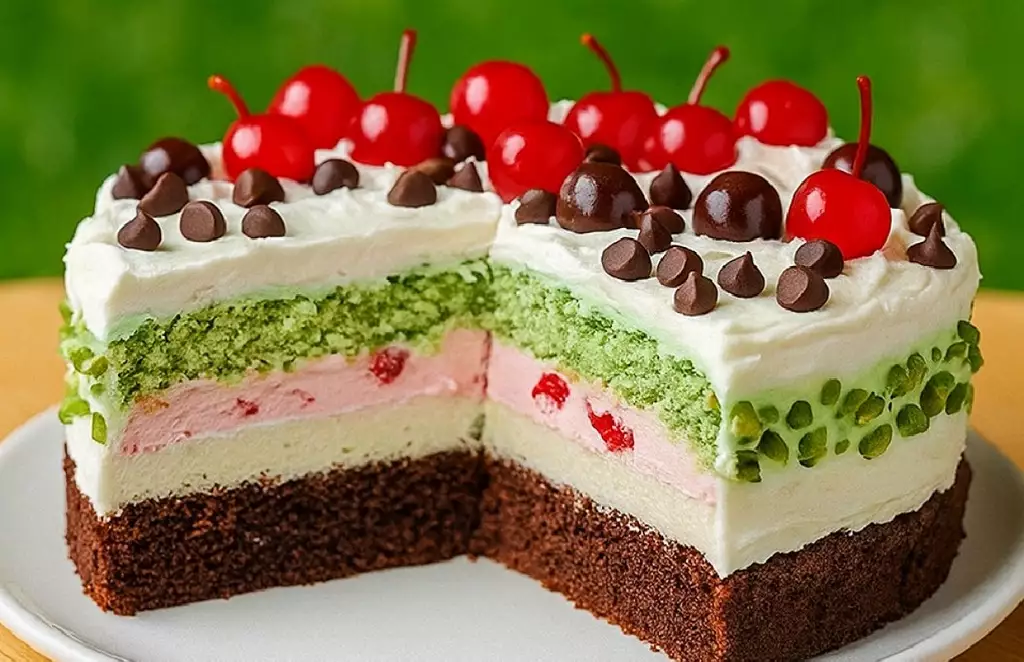
- Italian spumoni cake with cherry chocolate and pistachio layers, a layered celebration cake inspired by the Italian frozen dessert and beautiful for any winter celebration
- Paw Patrol cake ideas tutorials and baking tips, birthday and celebration cake decoration for children, because the most important celebrations of the year are not always on the calendar
Cranberry and Pistachio: The Most Giftable Holiday Bake
Cranberry pistachio shortbread cookies deserve their own section because they represent something that most holiday baking guides overlook: the art of baking as a gift.
A tin of homemade shortbread given to someone you care about communicates something that a purchased gift cannot. It communicates time. It communicates thought. It communicates the specific knowledge that this person likes cranberries and pistachios and that you baked something beautiful with that in mind.
These cookies keep for two weeks in an airtight tin at room temperature. They freeze for up to three months. They travel well. They look extraordinary arranged in a box or tin with a ribbon. And the flavor, buttery, slightly salty shortbread with tart cranberries and rich pistachios, appeals to almost every palate, including people who claim not to like sweet things.
Bake a double batch in November. Keep one tin for your own table. Give the other away. It is one of the simplest and most meaningful things you can do with your baking skills.

Pro Tips From My Kitchen
Make hot cross bun dough the night before. An overnight cold proof in the refrigerator produces hot cross buns with a dramatically better flavor than dough proved at room temperature for two hours. Mix the dough in the evening, shape the buns, cover the tray and refrigerate overnight. In the morning take the tray out 30 minutes before baking while the oven preheats. The difference in flavor is not subtle.
Bake your Christmas fruitcake in October. The minimum resting time for a fed fruitcake is two weeks. Four weeks is significantly better. Six weeks is when the flavor peaks. A fruitcake baked in mid-October and fed weekly until Christmas will taste genuinely extraordinary. A fruitcake baked in December and served the same week tastes completely different. It can still be good, but not great. Give it the time it deserves.
Use seasonal spices fresh. Ground spices lose their potency after about six months. Check the date on your cinnamon, mixed spice, ginger, and nutmeg before the holiday season begins, not during it. Stale spices produce pale, flat-tasting seasonal bakes that no amount of extra quantity can fix. Buy fresh spices at the start of each baking season and your results will be immediately and noticeably better.
Double your holiday cookie batches and freeze half. Most holiday cookies freeze perfectly, including shortbread, spiced cookies, and oat cookies, for up to three months. Bake double quantities in October and November and freeze the extra batches. December becomes a month for assembling, gifting, and enjoying rather than baking under pressure. That is exactly the right order of operations for the most meaningful baking month of the year.
Photograph seasonal bakes on the day they are made. Fruitcake looks extraordinary when freshly sliced. The glistening fruit and the deep dark crumb photograph beautifully. Hot cross buns look their best within two hours of coming out of the oven. The glaze is still shiny, the cross is still bright, and the bun is still plump and warm. Pumpkin donuts look most dramatic the moment the cinnamon sugar hits the warm surface. Photograph immediately. The magic fades quickly.
Troubleshooting: What Went Wrong and How to Fix It
My hot cross buns did not rise. Either the yeast was dead, the water was too hot when you added it, or the dough was too cold during proofing. Test your yeast before using. Dissolve it in warm water with a pinch of sugar and wait 10 minutes. It should foam vigorously. If nothing happens, the yeast is dead and no amount of waiting will rescue the dough. Also check your proofing environment. Enriched doughs need warmth to rise. A cold kitchen in winter can slow the rise to three or four hours. Be patient and give the dough the time it needs.
My hot cross buns are dense and heavy. Under-proofing is the most common cause. The buns needed more time to rise before going into the oven. They should visibly double in size before baking. Also check that you did not add too much flour during kneading. Enriched dough is naturally stickier than lean dough, and home bakers often add too much flour trying to make it manageable. A slightly sticky dough produces a lighter, softer bun than a heavily floured one.
My fruitcake is dry. It was either overbaked, or the fruit was not soaked properly before going into the batter. Check your oven temperature with a thermometer. Fruitcakes bake at a low temperature of 150°C (300°F) for a long time and are very sensitive to temperature variations. Also ensure your fruit was genuinely soaked overnight. Dry fruit added directly to the batter draws moisture out of the cake rather than contributing it.
My pumpkin donuts are dense and gummy. There was too much liquid in the batter. Pumpkin puree adds significant moisture to any recipe, so reduce or eliminate any additional milk or water if your batter looks too wet before baking. Also check that you are using pure pumpkin puree, not pumpkin pie filling, which contains additional liquid ingredients that will make the problem worse.
My seasonal shortbread spread too flat. Your butter was too warm, or the dough was not chilled before baking. Holiday shortbread, especially shaped and decorated cookies, almost always benefits from chilling the dough for at least 30 minutes before baking. Cold dough spreads less and holds its shape better, which matters especially when the cookies are meant to be gifted or displayed.
Frequently Asked Questions
How far in advance can I make Christmas fruitcake?
Up to three months in advance, and the longer the better within that window. A fruitcake made in October and fed weekly until Christmas will have a significantly deeper, more complex flavor than one made in December. Store it wrapped in parchment paper and foil in a cool dark place, and feed it with 30ml (2 tbsp) of brandy or rum every week until serving.
Can I make hot cross buns without dried fruit?
Yes, the enriched spiced dough is the essential element of a hot cross bun, not the fruit. Replace the dried fruit with chocolate chips for a chocolate hot cross bun, or simply leave it out entirely for a plain spiced bun. The dough, the spices, and the cross remain exactly the same.
Why do dandelion recipes call for petals only and not the whole flower?
The green parts of the dandelion, the sepals and stem, are significantly more bitter than the petals. Using the whole flower introduces that bitterness into your bake. Petals only give you the delicate floral flavor without any sharp bitter note. Pull the petals away from the green base of the flower before using, and discard the green parts.
Can I substitute fresh pumpkin for canned pumpkin puree?
Yes, but the moisture content of fresh pumpkin varies significantly depending on the variety and how it was cooked. Roast your pumpkin, scoop out the flesh, and blend until smooth. Then drain it through a fine mesh sieve lined with cheesecloth for at least one hour to remove excess water before using. Without this draining step, fresh pumpkin puree is usually too wet and will make your baked goods dense and gummy.
How do I store holiday baked goods to keep them fresh?
Fruitcake keeps for up to three months wrapped in parchment and foil in a cool dark place, and it improves with time. Hot cross buns keep for up to two days in an airtight container at room temperature, or you can freeze them immediately after cooling for up to three months. Shortbread cookies keep for up to two weeks in an airtight tin at room temperature. Pumpkin donuts keep for up to two days in an airtight container. The cinnamon sugar coating does not freeze well, so enjoy them fresh.
Your Next Steps
You now have a tested recipe for every major baking season, organised by season and technique so you know exactly where to start.
If you are planning your Easter baking, start with the soft hot cross buns. Master the enriched dough technique the evening before you want to serve them, and every other Easter recipe becomes easier. For autumn, the baked pumpkin donuts are the fastest and most rewarding recipe to start with. They are ready in under 40 minutes and guaranteed to fill your kitchen with the smell of autumn. For Christmas, begin with the homemade fruitcake. Begin in October, not December.
And when something goes wrong, because occasionally it will, come back to the troubleshooting section. Every problem listed there happened in my kitchen first.
These recipes were developed and tested multiple times in my home kitchen before publication. Every technique described in this guide comes from real test rounds, not theory.
Aveline Sinclair, Founder of RecipesCrock
Save This Recipe
Enter your email below and we'll send the link straight to your inbox. You'll also get fresh baking recipes each week.
More From Seasonal & Holiday Baking
You Might Also Like