
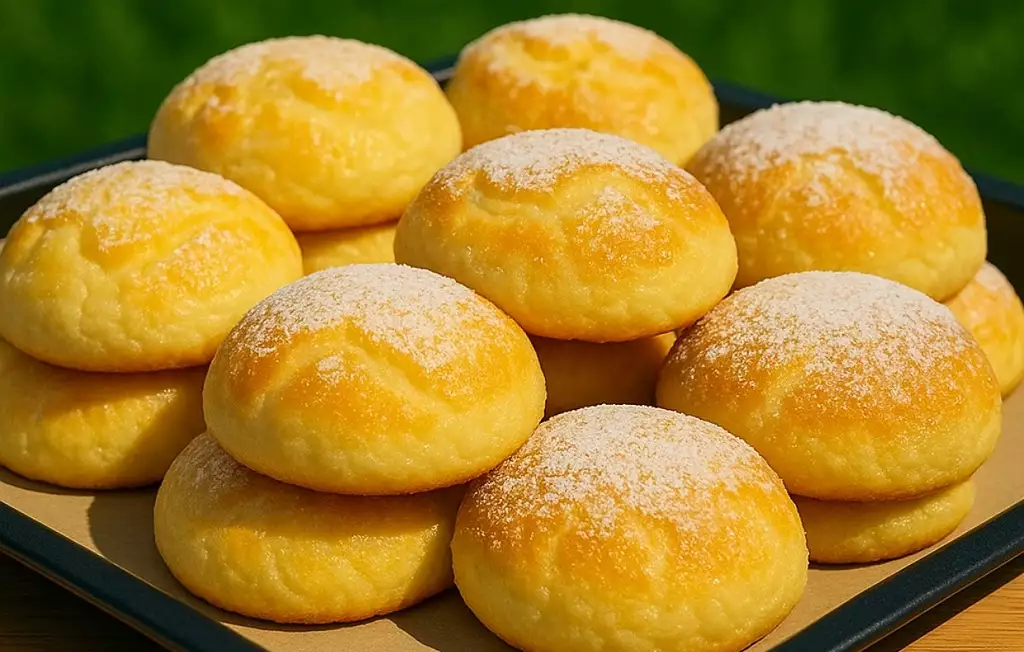
Embark on a baking adventure with Castella Cake, a light and spongy treat from minimalist Japanese dessert traditions. Its delicate texture and subtle sweetness complement a hot cup of tea or a quiet afternoon snack perfectly. Making Castella Cake is both soothing and rewarding. It requires precise measurement and mixing to perfect the sponge. We carefully select each ingredient to build a tender crumb and smooth texture that melts in your mouth, encouraging you to enjoy each bite slowly.

Castella Cake is more than a dessert; it connects you to the precision and care of traditional Japanese patisseries. Following this recipe takes you into a world where baking nourishes the body and soothes the mind. Despite its simple ingredients eggs, sugar, flour, and honey their complex interactions create a luxurious and comforting cake.
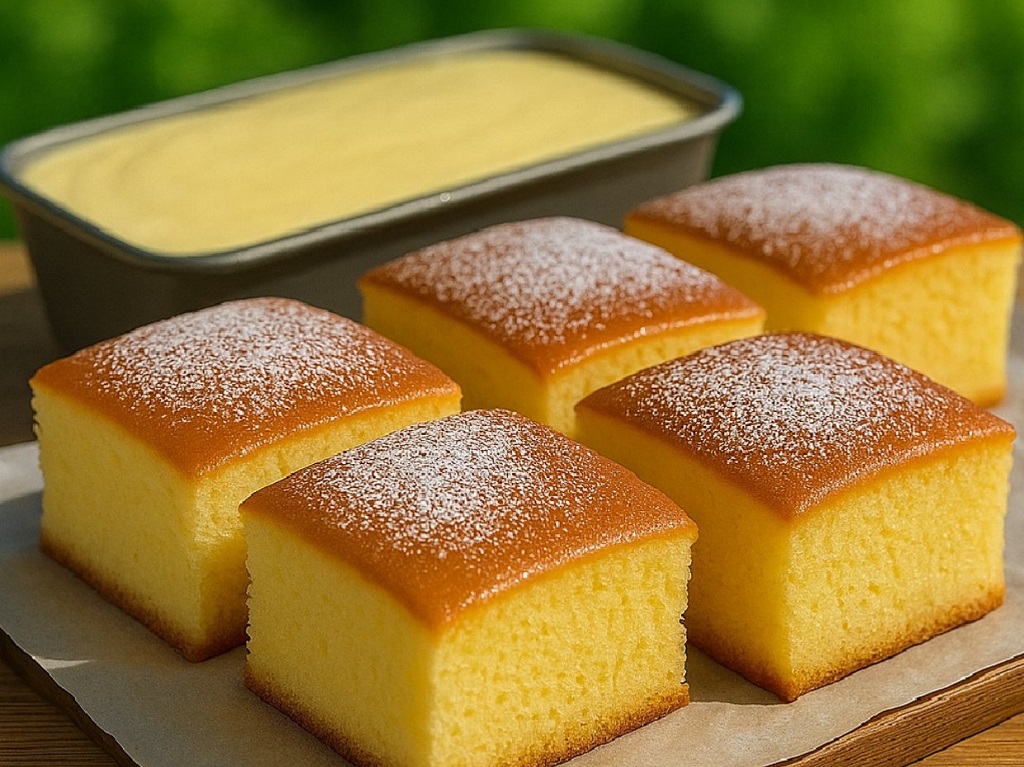
You can replace your current sections with this clearer and more complete version so your followers immediately see the exact measurements and detailed instructions:
Ingredients for Castella Cake
- 6 Medium Eggs – The foundation of the cake’s soft, airy structure and rich flavor.
- 1 Cup Granulated Sugar (200g) – Sweetens the cake while helping create the light and fluffy texture during whipping.
- 3 Tablespoons Honey (60g) – Adds gentle sweetness, moisture, and the classic golden Castella finish.
- 1 Cup Cake Flour (120g) – Gives the cake its delicate, soft crumb thanks to its lower protein content.
- 1 Tablespoon Warm Milk – Helps blend the honey smoothly into the batter.
Step by Step Guide to Perfect Castella Cake
1. Prepare the Oven and Pan
Preheat your oven to 325°F (165°C). Line a 9×5 inch loaf pan with parchment paper, making sure the paper rises above the edges of the pan.
2. Whip the Eggs and Sugar
In a large bowl, beat 6 medium eggs and 1 cup granulated sugar for about 8 to 10 minutes until the mixture becomes pale, thick, and fluffy.
3. Add the Honey
Mix 3 tablespoons honey with 1 tablespoon warm milk, then gently fold it into the batter.
4. Fold in the Flour
Sift 1 cup cake flour into the batter in small portions, gently folding after each addition to keep the mixture airy and smooth.
5. Pour into the Pan
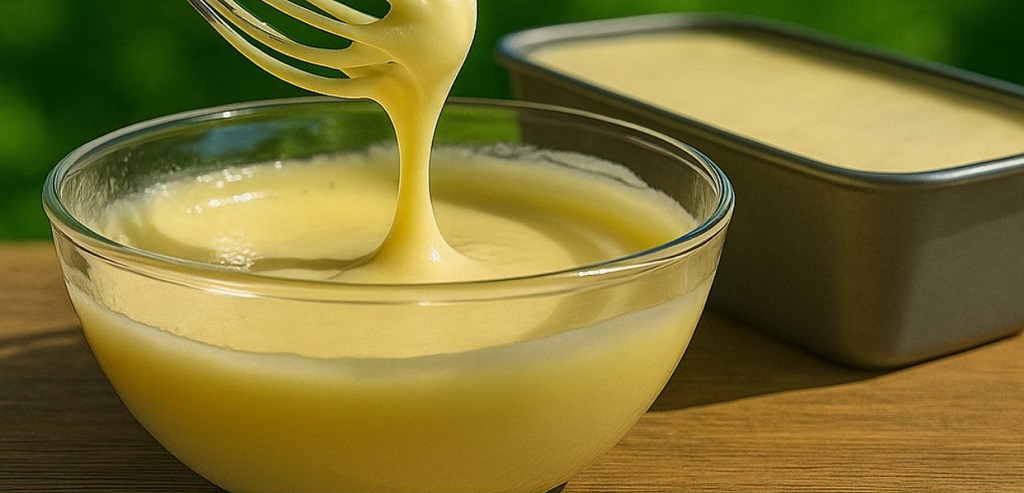
Slowly pour the batter into the prepared loaf pan just like shown in the image. Lightly tap the pan on the counter to remove large air bubbles.
6. Bake Until Golden
Bake for 45 to 50 minutes, or until the top becomes deep golden brown and a toothpick inserted in the center comes out clean.
7. Cool and Slice
Let the cake cool in the pan for 10 minutes, then transfer to a wire rack. Slice gently to reveal the soft and fluffy Castella texture.
Helpful Tips for a Soft and Fluffy Castella Cake
- Room temperature eggs whip better and create more volume.
- Do not overmix after adding the flour or the cake may lose its airy texture.
- Sift the flour to avoid lumps and create a smoother batter.
- Use cake flour instead of all purpose flour for the classic soft Castella texture.
Advanced Tips for Crafting this Recipe
– Temperature Control: Ingredients should be at room temperature to mix evenly, ensuring a smoother batter.
– Mixing Technique: Achieve the perfect ribbon stage by whisking the eggs and sugar until they fall off the whisk and form a slow dissolving ribbon on the surface.
– Baking Precision: Avoid opening the oven door during the early stages of baking as sudden temperature changes can cause the cake to collapse.
The Cultural Significance of Castella Cake
Originating from the Portuguese ‘Pão de Ló’ and adapted by Japanese cooks in the 16th century, Castella Cake, or ‘Kasutera’ as it is known in Japan, has a revered place in both casual and formal settings. Its simplicity and elegant flavor profile make it a favorite during tea time and special occasions. The cake’s minimalist nature speaks to the Japanese aesthetic of ‘wabi-sabi’, the beauty of imperfection and simplicity, making it a cultural staple in Japanese cuisine.
Customizing Your Cake
For those who enjoy a personal twist on classic recipes, Castella Cake offers various possibilities for customization. Infusing the batter with green tea powder or adding citrus zest can transform the flavor profile. Alternatively, incorporating a layer of sweet red bean paste within the batter before baking adds a delightful surprise, melding traditional Japanese flavors with the classic texture of Castella Cake.
Enhancing the Castella Cake Experience
While the classic Castella Cake is a marvel in its own right, there are numerous ways to enhance and personalize this recipe. Consider drizzling a light honey glaze over the top of the cake just after baking to add a shiny finish and an extra touch of sweetness that deepens the honey notes already present in the cake. For those who appreciate a textural contrast, topping the cake with a sprinkle of crushed pistachios or toasted almond slices can introduce a delightful crunch that complements the softness of the sponge.
For special occasions, transform Castella Cake into an elegant dessert. Layer slices with whipped cream and fresh fruits like strawberries or peaches to create an impressive trifle. These adaptations highlight the cake’s versatility, suiting various tastes and events, from family dinners to festive celebrations.
FAQs
Can I make Castella Cake without honey?
Yes, you can make Castella Cake without honey if you prefer. You can replace the honey with an equal amount of golden syrup or agave nectar to keep the moisture and sweetness, though the flavor will change slightly.
How do I know when the Castella Cake is perfectly cooked?
The perfect doneness of Castella Cake can be checked by inserting a toothpick into the center of the cake. If it comes out clean, the cake is done. Additionally, the cake should spring back when lightly pressed with a finger, and the edges should start pulling away from the sides of the pan.
What makes Castella Cake different from other sponge cakes?
Castella Cake is unique due to its fine texture and minimal ingredients. Unlike other sponge cakes, it typically uses no chemical leavening agents, relying solely on the air whipped into eggs to provide lift. The inclusion of honey adds a distinctive flavor and moisture that sets it apart from more traditional sponge cakes.
Can this Cake be made gluten-free?
Yes, you can adapt Castella Cake for a gluten-free diet by substituting the cake flour with a gluten-free flour blend. Choose a blend designed for baking to ensure it includes a binder like xanthan gum, which helps mimic the texture and structure provided by gluten.
Is there a way to make this Cake less sweet?
If you prefer a less sweet cake, you can reduce the sugar by a few tablespoons. Remember, sugar adds sweetness, structure, and moisture. Major reductions might alter the texture.
Save This Recipe
Enter your email below and we'll send the link straight to your inbox. You'll also get fresh baking recipes each week.
More From Cakes & Cupcakes


You Might Also Like



Please share the details of ingredients
please insert the ingredients and measurment it say eggs and other but don’t have quantities???
please send full recipe for the Castella Cake
thanks
Hi everyone, Thank you so much for pointing that out. The recipe has now been updated with the full ingredient measurements and clearer step by step instructions for the Castella Cake. You can now find the exact quantities, baking temperature, baking time, and detailed method directly in the article.